Smart Lighting vs Traditional Bulbs: Which Saves More?
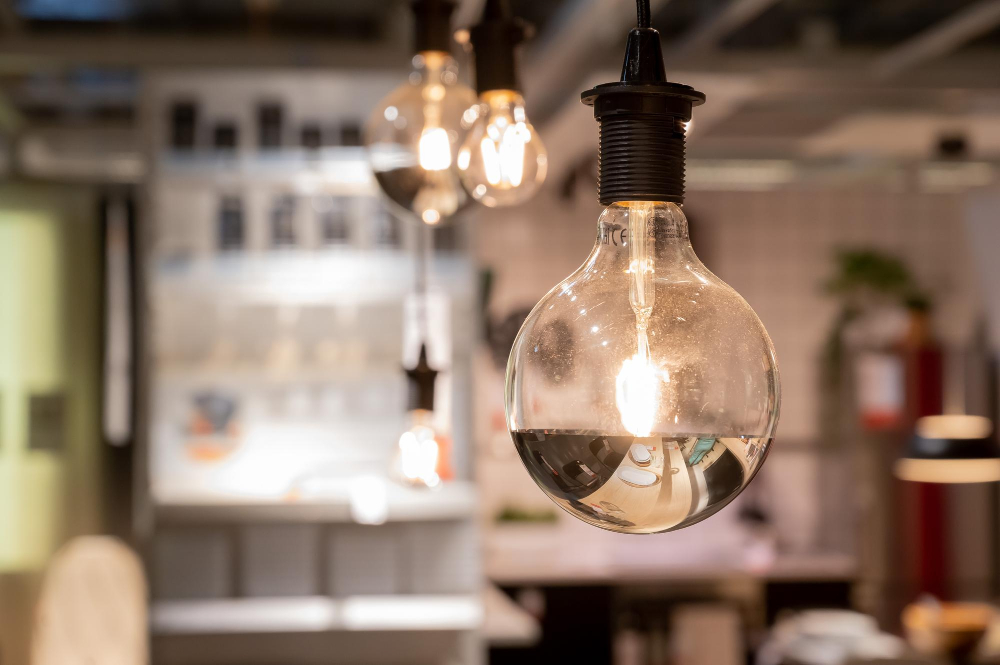
Remember that old incandescent bulb, the one that hummed softly and cast a warm, yellowish glow? My grandma swore by them, claiming they made her cookies taste better. Well, times have changed, and so has lighting technology. Today, we're faced with a multitude of options, from traditional bulbs to sleek, smart lighting systems. But which one truly saves us money and helps us create more energy-efficient homes?
Choosing the right lighting isn’t just about aesthetics; it's about making a conscious decision to reduce your energy consumption and lower your utility bills. Lighting accounts for a significant portion of the average household's energy usage, so upgrading to more efficient options can make a real difference, both for your wallet and the planet. It’s a vital step in creating sustainable lighting solutions for a greener future.
Here's a quick win: Make it a habit to switch off lights when you leave a room. It sounds simple, but consistently doing this can noticeably reduce your energy waste, regardless of the type of bulb you're using.
Smart Lighting vs. Traditional Bulbs: Decoding the Savings
The world of lighting has become incredibly diverse. While traditional incandescent and halogen bulbs were once the standard, LED (Light Emitting Diode) and smart bulbs have revolutionized the market with their energy efficiency and advanced features. Understanding the core differences and the long-term costs and benefits is crucial for making informed decisions. Let's break down the key elements that influence your savings.
Upfront Costs: Initial Investment Analysis
The initial cost is often the first thing people consider. Traditional incandescent bulbs are undoubtedly the cheapest to buy. You can find them for under a dollar, making them seem like the budget-friendly option. Halogen bulbs are a slight step up in price, but still relatively inexpensive.
However, LED bulbs have a higher upfront cost. They can range from a few dollars to upwards of $15 or more, especially for specialty bulbs or those with advanced features. Smart bulbs, which are typically LEDs with added connectivity, command an even higher price tag. You might pay $20-$50 per smart bulb, depending on the brand and features like color changing, dimming, and voice control.
The Verdict: Traditional bulbs win on initial cost, but this is a very short-sighted view.
Energy Consumption: Where LEDs Shine
This is where the real savings story begins. Traditional incandescent bulbs are notoriously inefficient. They convert only about 5% of the electricity they consume into light; the remaining 95% is lost as heat. This means you're paying for a lot of wasted energy. Halogen bulbs are slightly better, but still consume significantly more energy than LEDs.
LEDs, on the other hand, are incredibly energy-efficient. They convert a much higher percentage of electricity into light, typically around 80-90%. This translates to substantial energy savings. An LED bulb can use up to 75% less energy than an incandescent bulb to produce the same amount of light. Smart bulbs, being based on LED technology, offer the same energy efficiency benefits.
Example: A 60-watt incandescent bulb can be replaced with a 8-12 watt LED bulb, providing the same brightness.
The Verdict: LEDs and smart bulbs are the clear winners in terms of energy consumption.
Lifespan: A Long-Term Perspective
The lifespan of a bulb is another critical factor in determining overall savings. Incandescent bulbs have a relatively short lifespan, typically around 1,000 hours. This means you'll be replacing them frequently, incurring ongoing costs and contributing to waste. Halogen bulbs last a bit longer, but still pale in comparison to LEDs.
LEDs boast an impressive lifespan, often lasting 25,000 hours or more. This means you could potentially use the same LED bulb for over 20 years with typical usage. Smart bulbs, because they are LED-based, offer similar longevity. The long lifespan of LEDs significantly reduces the frequency of replacements, saving you money and reducing your environmental footprint.
The Verdict: LEDs and smart bulbs significantly outperform traditional bulbs in terms of lifespan, leading to long-term cost savings and reduced waste.
Dimming Capabilities: Flexibility and Control
Dimming lights not only creates ambiance but also saves energy. Incandescent and halogen bulbs are generally easy to dim, although older dimmer switches might not work optimally with halogen bulbs.
LEDs, however, can be a bit trickier. Not all LEDs are dimmable, and even those that are might require a compatible dimmer switch. Smart bulbs typically offer excellent dimming capabilities, often controllable through apps or voice commands. This allows for precise control over lighting levels and energy consumption.
The Verdict: Smart bulbs offer the most advanced and convenient dimming options, while LEDs require careful selection and compatible hardware.
Smart Features: Beyond Illumination
This is where smart bulbs truly differentiate themselves. They offer a range of features beyond simple illumination, including: Remote Control: Control your lights from anywhere using your smartphone or tablet. Scheduling: Set schedules to automatically turn lights on or off at specific times. Voice Control: Control your lights with voice commands using smart assistants like Amazon Alexa or Google Assistant. Color Changing: Adjust the color of your lights to create different moods and ambiances. Energy Monitoring: Track your energy consumption to identify areas where you can save even more. Geofencing: Automatically turn lights on or off when you enter or leave your home.
These features not only enhance convenience but also contribute to energy savings by ensuring lights are only on when needed. For example, scheduling lights to turn off automatically at night can prevent accidental energy waste.
The Verdict: Smart bulbs offer a wealth of features that enhance convenience and promote energy savings. They are a key component of modern smart home lighting systems.
Environmental Impact: Thinking Green
The environmental impact of lighting extends beyond energy consumption. Traditional bulbs contain materials like mercury, which are harmful to the environment if disposed of improperly. LEDs, on the other hand, are mercury-free and Ro HS (Restriction of Hazardous Substances) compliant.
Furthermore, the longer lifespan of LEDs reduces the need for frequent replacements, minimizing waste. The energy efficiency of LEDs also translates to lower carbon emissions from power plants. By choosing LEDs and smart bulbs, you're contributing to a more sustainable future.
The Verdict: LEDs and smart bulbs are the environmentally responsible choice, minimizing waste and reducing carbon emissions. They help create eco-friendly lighting solutions.
People Also Ask: Common Lighting Questions
Are smart bulbs worth the extra cost?
It depends on your needs and priorities. If you're looking for maximum energy savings, convenience, and advanced features like remote control, scheduling, and voice control, then smart bulbs are definitely worth the investment. The long-term cost savings from reduced energy consumption and longer lifespan can offset the higher upfront cost. However, if you're simply looking for basic illumination and are on a tight budget, standard LED bulbs might be a more suitable option. Consider whether you will actually utilize the “smart” features, or if you simply want energy-efficient lighting.
Can I use LED bulbs in any fixture?
In most cases, yes. LED bulbs are available in a variety of shapes and sizes to fit most standard fixtures. However, it's important to check the fixture's specifications to ensure compatibility. Some older fixtures might not be compatible with LED bulbs, especially enclosed fixtures that can trap heat. Additionally, dimming performance can vary depending on the dimmer switch and the LED bulb. Always check the compatibility of your dimmer switch with LED bulbs before purchasing.
What is the best color temperature for LED lighting?
Color temperature is measured in Kelvin (K) and affects the appearance of the light. Lower color temperatures (2700K-3000K) produce a warm, yellowish light that is ideal for bedrooms and living rooms. Higher color temperatures (4000K-5000K) produce a cool, white light that is better suited for kitchens, bathrooms, and workspaces. Daylight color temperatures (6000K-6500K) produce a bright, bluish-white light that mimics natural daylight. Ultimately, the best color temperature depends on your personal preference and the intended use of the space. Many smart bulbs allow you to adjust the color temperature, providing maximum flexibility.
Making the Switch: A Step-by-Step Guide
Ready to upgrade to more energy-efficient lighting? Here's a simple guide to help you get started:
1.Assess Your Needs: Take inventory of the types of bulbs you currently use in your home. Identify the fixtures you use most frequently and those where you want to maximize energy savings.
2.Research LED and Smart Bulb Options: Explore the different types of LED and smart bulbs available, considering factors like brightness (lumens), color temperature, dimming capabilities, and smart features.
3.Check Fixture Compatibility: Ensure that the LED or smart bulbs you choose are compatible with your existing fixtures and dimmer switches.
4.Start Small: Begin by replacing the bulbs in your most frequently used fixtures with LEDs. This will allow you to experience the benefits of LED lighting without making a large upfront investment.
5.Consider Smart Home Integration: If you're interested in smart home automation, consider investing in smart bulbs for key areas of your home. Experiment with features like scheduling, remote control, and voice control.
6.Properly Dispose of Old Bulbs: Dispose of old incandescent and halogen bulbs properly, following local regulations. Some retailers offer recycling programs for old bulbs.
The Future is Bright: Embracing Sustainable Lighting
Making the switch to LEDs and smart bulbs is a smart investment in your wallet and the environment. While the initial cost might be higher, the long-term savings from reduced energy consumption, longer lifespan, and advanced features make them a worthwhile choice. By embracing these technologies, you're not only creating a more energy-efficient home, but also contributing to a more sustainable future. So, go ahead, brighten your home and lighten your footprint. You’ve got this!
Posting Komentar untuk "Smart Lighting vs Traditional Bulbs: Which Saves More?"