Eco-Friendly Lighting Solutions for Home Offices
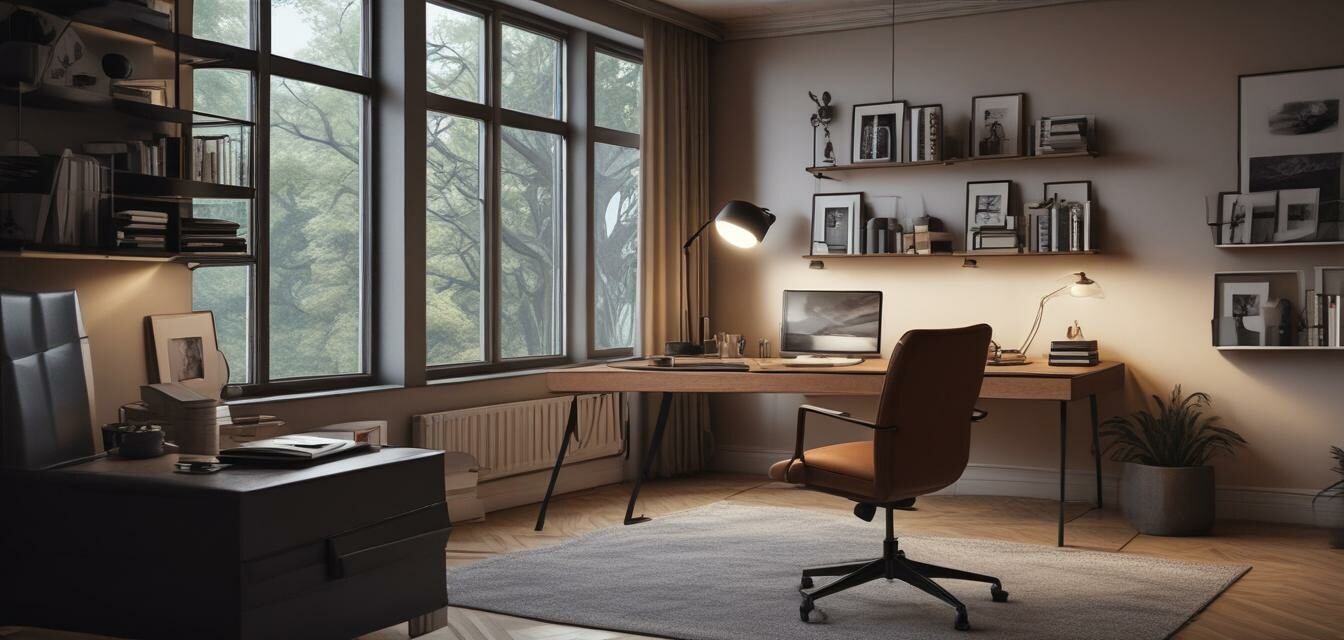
Ever notice how much better you feel when you’re working near a sunny window? Sunlight justmakesa workday a little brighter, doesn't it? But let’s face it, relying solely on natural light isn't always an option, especially during gloomy days or late-night work sessions. That's where smart, eco-friendly lighting solutions for your home office come into play.
Creating an energy-efficient and well-lit home office isn't just about aesthetics; it's about boosting your productivity, reducing eye strain, and significantly lowering your energy bills. The right lighting can transform a dull, uninspiring workspace into a vibrant, energizing hub. Plus, it's a fantastic opportunity to reduce your carbon footprint and contribute to a more sustainable lifestyle, one lightbulb at a time.
Here's a quick win you can implementtoday*: Replace just one incandescent bulb in your desk lamp with an LED. Seriously, do it now! You'll immediately notice the difference in energy consumption (and on your next electricity bill!), plus LEDs last significantly longer. It's a small change with a big impact.
The Bright Side of Eco-Friendly Lighting
Okay, let’s dive into making your home office a beacon of sustainable brilliance. We’re talking beyond just swapping out a bulb here and there. We’re aiming for a holistic approach to eco-friendly lighting that considers everything from light source to smart home integration. This is about creating a workspace that's good for you, good for your productivity, and good for the planet.
Understanding Your Lighting Needs
Before you even think about buying new bulbs, take a moment to assess your current lighting situation. What kind of tasks do you typically perform in your home office? Do you need bright, focused light for detailed work, or softer, ambient light for video calls and creative brainstorming? Consider the size of your office, the amount of natural light it receives, and the existing light fixtures.
Ideally, you want a combination of ambient, task, and accent lighting. Ambient lighting provides overall illumination, task lighting focuses on specific work areas, and accent lighting adds visual interest and highlights certain features. A well-balanced lighting scheme will reduce eye strain, improve focus, and create a more comfortable and productive work environment. I always encourage clients to start here first so that you don't end up overspending or buying the wrong type of eco-friendly lighting.
The Power of LEDs
Let's talk about the reigning champion of energy-efficient lighting: LEDs (Light Emitting Diodes). LEDs are a game-changer compared to traditional incandescent bulbs. They use significantly less energy (up to 80% less!), last much longer (think years, not months), and produce very little heat. This last point is particularly important for home offices, as incandescent bulbs can contribute to a stuffy and uncomfortable environment.
Beyond the energy savings, LED lighting benefits also include superior light quality. You can find LEDs in a wide range of color temperatures, from warm and cozy to cool and bright, allowing you to customize the lighting to suit your specific needs and preferences. Plus, LEDs are available in a variety of shapes and sizes, making them suitable for virtually any light fixture. When choosing LEDs, look for the Energy Star label, which indicates that the bulb meets strict energy efficiency and performance standards.
Dive into Smart Home Lighting Systems
Ready to take your eco-friendly lighting to the next level? Smart home lighting systems offer unparalleled control and customization, allowing you to optimize your lighting for energy efficiency and convenience. These systems typically consist of smart bulbs, a hub or bridge, and a smartphone app or voice assistant.
With a smart home lighting system, you can remotely control your lights, schedule them to turn on and off automatically, and even adjust the brightness and color temperature. Many systems also offer features such as geofencing, which automatically turns lights on when you arrive home and off when you leave.
Consider incorporating smart bulbs into your table and floor lamps, then connect them to a smart hub. You can then use your phone to not only dim your lights as you need, but use preset modes based on the time of day.
Here's a pro tip: Integrate your smart lighting with your home's occupancy sensors, if you have them! This can automatically turn off the lights when you leave your home office, ensuring that you're not wasting energy when the space is unoccupied. Smart home lighting systems are an investment, but they can pay for themselves over time through energy savings and increased convenience.
Natural Light Maximization
Don't underestimate the power of natural light! It's the most energy-efficient and aesthetically pleasing light source available. Here are a few tips for maximizing natural light in your home office: Position your desk near a window: This will provide you with plenty of natural light throughout the day. Just be mindful of glare on your computer screen. Use light-colored window coverings: Sheer curtains or blinds will allow light to filter through while still providing privacy. Keep windows clean: Dirty windows can block a significant amount of light. Use mirrors to reflect light: Place mirrors strategically around your office to bounce natural light into darker areas. Trim nearby trees and shrubs:Overgrown vegetation can block sunlight.
By maximizing natural light, you can reduce your reliance on artificial lighting and create a brighter, more inviting workspace. I tend to prefer sheers for my own windows since they are great at providing soft, indirect light without sacrificing my view of the backyard!
Task Lighting: The Workhorse
Task lighting is all about providing focused illumination for specific work areas. A good desk lamp is essential for any home office, but you should also consider other task lighting options, such as under-cabinet lighting for bookshelves or adjustable spotlights for artwork.
When choosing task lighting, look for lamps with adjustable arms and heads, allowing you to direct the light exactly where you need it. Also, opt for lamps with dimming capabilities, so you can adjust the brightness to suit your task and preference. If you're working on detailed tasks, such as drawing or crafting, consider a daylight lamp, which emits a full-spectrum light that mimics natural daylight. This can help reduce eye strain and improve color accuracy.
Don’t Forget the Color Temperature
Color temperature is a measure of the "warmth" or "coolness" of light, measured in Kelvin (K). Warmer light (2700K-3000K) has a yellow or orange hue, while cooler light (4000K-5000K) has a blue or white hue. The ideal color temperature for your home office depends on your personal preferences and the type of tasks you perform.
Generally, warmer light is more relaxing and suitable for ambient lighting, while cooler light is more stimulating and suitable for task lighting. For example, you might choose a warm LED bulb for your desk lamp if you're doing creative work, or a cool LED bulb if you're working on detailed spreadsheets.
Experiment with different color temperatures to find what works best for you. Some smart home lighting systems even allow you to adjust the color temperature of your lights throughout the day, mimicking the natural changes in sunlight.
Sustainable Choices Beyond the Bulb
Choosing eco-friendly lighting is about more than just energy efficiency; it's also about choosing sustainable materials and manufacturing processes. When shopping for light fixtures, look for products made from recycled materials, such as glass or metal. Also, consider supporting companies that are committed to sustainable manufacturing practices, such as reducing waste and using renewable energy sources.
Disposing of old light bulbs properly is also important. Incandescent bulbs can simply be thrown away, but CFLs (compact fluorescent lamps) contain small amounts of mercury and should be recycled. Many hardware stores and recycling centers offer CFL recycling programs.
People Also Ask:
What type of lighting is most energy-efficient?
LED lighting is the most energy-efficient option available. LEDs use up to 80% less energy than incandescent bulbs and last significantly longer.
How can I reduce glare on my computer screen?
Position your monitor away from direct light sources, use light-colored window coverings, and adjust the brightness and contrast settings on your monitor. You can also purchase an anti-glare screen filter.
Are smart lights worth the investment?
Smart lights can be a worthwhile investment, especially if you're looking for convenience, energy savings, and greater control over your lighting. However, they do require an initial investment in smart bulbs and a hub.
Creating an eco-friendly and well-lit home office is a journey, not a destination. It's about making conscious choices that benefit both you and the planet. Start with the simple steps, like switching to LEDs and maximizing natural light, and gradually incorporate more advanced solutions, like smart home lighting systems. By making small changes over time, you can create a workspace that's not only beautiful and functional but also sustainable and energy-efficient. Embrace the process, experiment with different options, and discover what works best for you. You’ve got this, and your future self (and your wallet!) will thank you for it.
Posting Komentar untuk "Eco-Friendly Lighting Solutions for Home Offices"