Toyota Diesel Cars in 2025: Lineup and Mileage
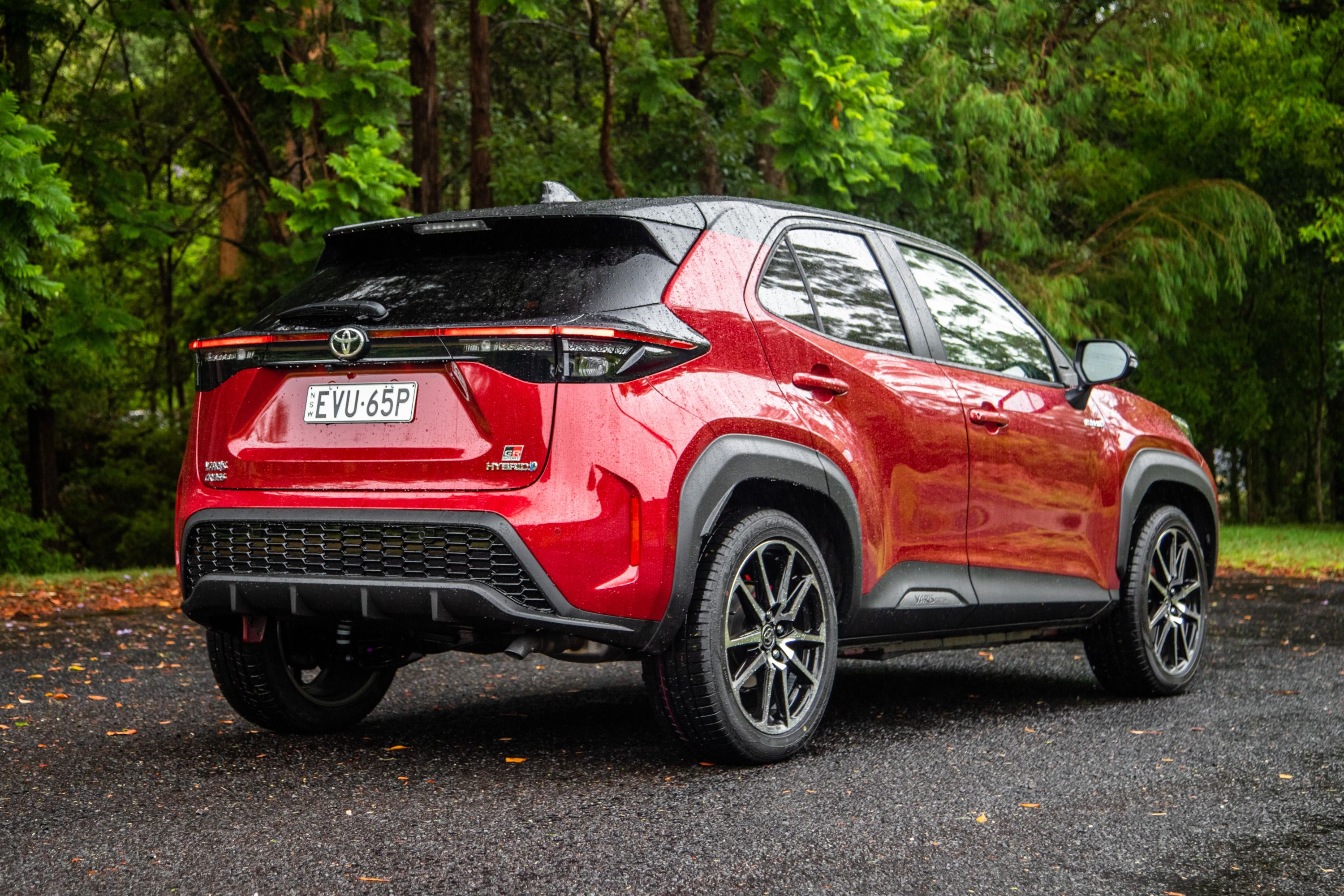
Are you curious about what Toyota's diesel lineup will look like in 2025 and what kind of mileage you can expect? This comprehensive guide delves into the potential future of Toyota diesel cars, exploring expected models, fuel efficiency, and the factors influencing their availability. We'll navigate the evolving automotive landscape, balancing performance with environmental concerns, giving you a clear picture of what to anticipate from Toyota's diesel offerings. Toyota's commitment to innovation means exploring different powertrain options, and this article aims to provide a knowledgeable overview of their diesel advancements and how they might play out in the coming years.
All About Toyota Diesel Cars in 2025: Lineup and Mileage
Defining "Toyota Diesel Cars in 2025: Lineup and Mileage" requires a bit of foresight. It refers to speculating about the models Toyota will offer with diesel engines in the year 2025, and the anticipated fuel efficiency (mileage) these vehicles will achieve. This is significant because the future of diesel engines is intertwined with increasingly stringent emissions regulations and the global shift towards electrification. Understanding potential Toyota diesel car specshelps consumers make informed decisions about their future vehicle purchases. The market demand will influence the Toyota Diesel Cars in 2025: Lineup and Mileage.
The historical context is crucial. Diesel engines, once prized for their fuel economy and robust torque, have faced increasing scrutiny due to their higher emissions of nitrogen oxides (NOx) and particulate matter. Toyota, like other manufacturers, has had to invest heavily in clean diesel technology to meet increasingly strict emissions standards like Euro 7. Key developments have included improvements in fuel injection systems, exhaust gas recirculation (EGR), and diesel particulate filters (DPF). However, the global push for electric vehicles (EVs) and hybrid vehicles has cast a shadow over the future of diesel, making Toyota's strategy in this area all the more interesting. Considering Toyota diesel car availabilityis paramount.
What differentiates Toyota's potential diesel offerings from others is their commitment to quality, reliability, and innovation. Toyota has a long-standing reputation for building durable vehicles, and their diesel engines are no exception. They have also been exploring advanced technologies like lean NOx traps (LNTs) and selective catalytic reduction (SCR) to reduce emissions. However, whether they continue to invest significantly in diesel for markets outside of commercial vehicles and specific regions remains to be seen. The Toyota diesel car performancewill be a crucial point when differentiating.
Expert opinions are mixed. Some analysts believe that diesel will continue to play a role in certain markets, particularly for heavy-duty vehicles and in regions where charging infrastructure for EVs is limited. Others believe that the writing is on the wall for diesel, and that Toyota will increasingly focus on hybrid and electric powertrains. Ultimately, the future of Toyota's diesel lineup will depend on a complex interplay of regulatory pressures, consumer demand, and technological advancements.
Benefits of Toyota Diesel Cars in 2025 for Users
If Toyota does continue to offer diesel cars in 2025, users can expect several potential benefits. Firstly, diesel engines generally offer superior fuel economy compared to gasoline engines, especially on long journeys. This can translate to significant savings on fuel costs over the lifespan of the vehicle. Secondly, diesel engines typically deliver higher torque at lower RPMs, making them ideal for towing and hauling heavy loads. For users who frequently tow trailers or carry heavy equipment, this can be a major advantage. Thelong-term fuel savingsis a considerable benefit.
Consider a hypothetical scenario: a construction worker who needs a reliable and fuel-efficient pickup truck for daily commutes and hauling tools to job sites. A Toyota Hilux with a modern diesel engine could offer a compelling combination of fuel economy, towing capacity, and dependability. Or a family regularly embarking on long road trips, with lots of luggage - the Toyota Land Cruiserwith a diesel engine could be very appealing.
Compared to alternative technologies like gasoline engines, diesel engines can offer better fuel economy and torque. Compared to electric vehicles, diesel vehicles have the advantage of a longer range and faster refueling times. However, EVs offer zero tailpipe emissions and lower running costs (depending on electricity prices), while gasoline engines generally have lower upfront costs and lower emissions of particulate matter.
Data and research findings consistently show that diesel engines offer superior fuel economy for heavy-duty applications. For example, studies have shown that diesel trucks can achieve up to 25% better fuel economy than gasoline trucks when towing heavy loads. However, it's important to note that the environmental impact of diesel engines is a subject of ongoing debate, and advancements in electric and hybrid technology are constantly challenging the dominance of diesel in certain segments.
How to Use Toyota Diesel Cars in 2025
Given the hypothetical nature of specific 2025 models, this section will focus on general best practices for using modern diesel vehicles.
1. Regular Maintenance
The first and most crucial step is adhering to the manufacturer's recommended maintenance schedule. This includes regular oil changes, filter replacements (air, fuel, and oil), and inspections of the EGR system and DPF. Using high-quality synthetic oil designed for diesel engines is also essential for optimal performance and longevity. Ignoring maintenance can lead to costly repairs and reduced fuel economy. Keep an eye on the Toyota diesel car reliability.
2. Use Quality Fuel
Using high-quality diesel fuel from reputable stations is crucial. Avoid using fuel from unknown sources, as it may contain contaminants that can damage the fuel injection system and other components. Consider using fuel additives designed to improve fuel economy and reduce emissions. Low-quality fuel leads toincreased diesel engine issues.
3. Proper Driving Habits
Avoid excessive idling and hard acceleration, as these habits can significantly reduce fuel economy and increase emissions. Drive smoothly and maintain a steady speed whenever possible. Use cruise control on long journeys to optimize fuel efficiency. Try to keep theengine at optimal RPMs.
Tips Before Using Toyota Diesel Cars in 2025
Before operating a modern diesel vehicle, it's essential to understand its specific requirements and limitations.
First, familiarize yourself with the vehicle's owner's manual. This document contains valuable information about the vehicle's systems, maintenance requirements, and operating procedures. Pay close attention to the sections on the EGR system, DPF, and any specific recommendations for diesel engines.
Avoid using biodiesel fuel unless specifically approved by Toyota. Biodiesel can be corrosive to certain fuel system components and may void the warranty. Similarly, avoid using gasoline in a diesel engine, as this can cause catastrophic damage.
Ignoring these tips can result in reduced fuel economy, increased emissions, and costly repairs. In severe cases, it can even lead to engine failure. Adhere to the Toyota Diesel car maintenance schedule.
Common Issues and Solutions Related to Toyota Diesel Cars in 2025
One common issue with modern diesel engines is DPF clogging. This occurs when soot accumulates in the DPF, restricting exhaust flow and reducing engine performance. The DPF usually regenerates automatically by burning off the soot at high temperatures. However, short trips and stop-and-go driving can prevent the DPF from regenerating properly. The solution is to occasionally take the vehicle on a longer drive at highway speeds to allow the DPF to regenerate.
Another potential issue is EGR system problems. The EGR system recirculates exhaust gas back into the intake manifold to reduce NOx emissions. However, this can lead to carbon buildup in the intake manifold and EGR valve, restricting airflow and reducing engine performance. The solution is to periodically clean the intake manifold and EGR valve.
Other common issues include fuel injector problems, turbocharger failures, and sensor malfunctions. These issues typically require professional diagnosis and repair.Regular inspections can help prevent issues.
Conclusion
The future of Toyota diesel cars in 2025 is uncertain, but if they are offered, users can expect a blend of fuel economy, torque, and reliability. However, it's essential to be aware of the specific requirements and limitations of modern diesel engines, and to follow best practices for maintenance and operation.
Ultimately, the decision of whether or not to purchase a Toyota diesel car in 2025 will depend on individual needs and preferences. Consider factors such as fuel economy, towing capacity, environmental concerns, and the availability of alternative powertrains. By carefully evaluating these factors, you can make an informed decision that is right for you. Embracingresponsible fuel consumptionis key.
Posting Komentar untuk "Toyota Diesel Cars in 2025: Lineup and Mileage"