Diesel Race Car Models That Dominate the Track
Here's the blog article:
Diesel Domination: The Race Cars That Are Redefining Speed
Ever walked past a race track and felt that rumble deep in your chest? That powerful, guttural roar that shakes the ground? While gasoline engines often steal the spotlight, there's a growing force on the track that's quietly, but powerfully, changing the game: diesel race cars. Forget the stereotypes of slow, lumbering trucks. These machines are engineered for performance, pushing the boundaries of what's possible with diesel technology.
Maybe you're curious about this rising trend. Perhaps you're a seasoned racing fan looking to expand your knowledge, or maybe you're just fascinated by the engineering prowess behind it all. Whatever your reason, you've come to the right place. We're going to dive deep into the world of diesel race car models that are not just participating but aredominatingthe track, rewriting the rules of speed and endurance.
Get ready to explore the surprising power, efficiency, and sheer grit of these impressive machines. It's a ride you won't forget!
The Unexpected Rise of Diesel in Racing
For decades, the image of a race car was inextricably linked to high-revving gasoline engines. Diesel, with its association with trucks and heavy machinery, seemed an unlikely contender. So, what changed?
The shift is driven by a combination of factors. Firstly, advancements in diesel engine technology have been astounding. Modern diesel engines are not your grandfather's clunky, smoke-belching contraptions. They're sophisticated pieces of engineering capable of producing incredible amounts of torque – the twisting force that gets you moving off the linefast. That torque advantage is a massive asset in racing, particularly in endurance events.
Secondly, the pursuit of fuel efficiency has become increasingly important. Races, especially long-distance ones, are often won or lost in the pits. Less time spent refueling means more time on the track, and diesel engines, known for their fuel economy, offer a significant advantage in this area.
Finally, regulations and shifting priorities are playing a role. Racing organizations are increasingly emphasizing sustainability and exploring alternative fuels. Diesel, especially when paired with biodiesel or other renewable fuels, can offer a more environmentally friendly option compared to traditional gasoline engines.
Legendary Diesel Race Car Models
While there aren't as many prominent diesel race car models as there are gasoline ones (yet!), the ones that have made their mark have done so in spectacular fashion. Let's take a look at some of the most influential:
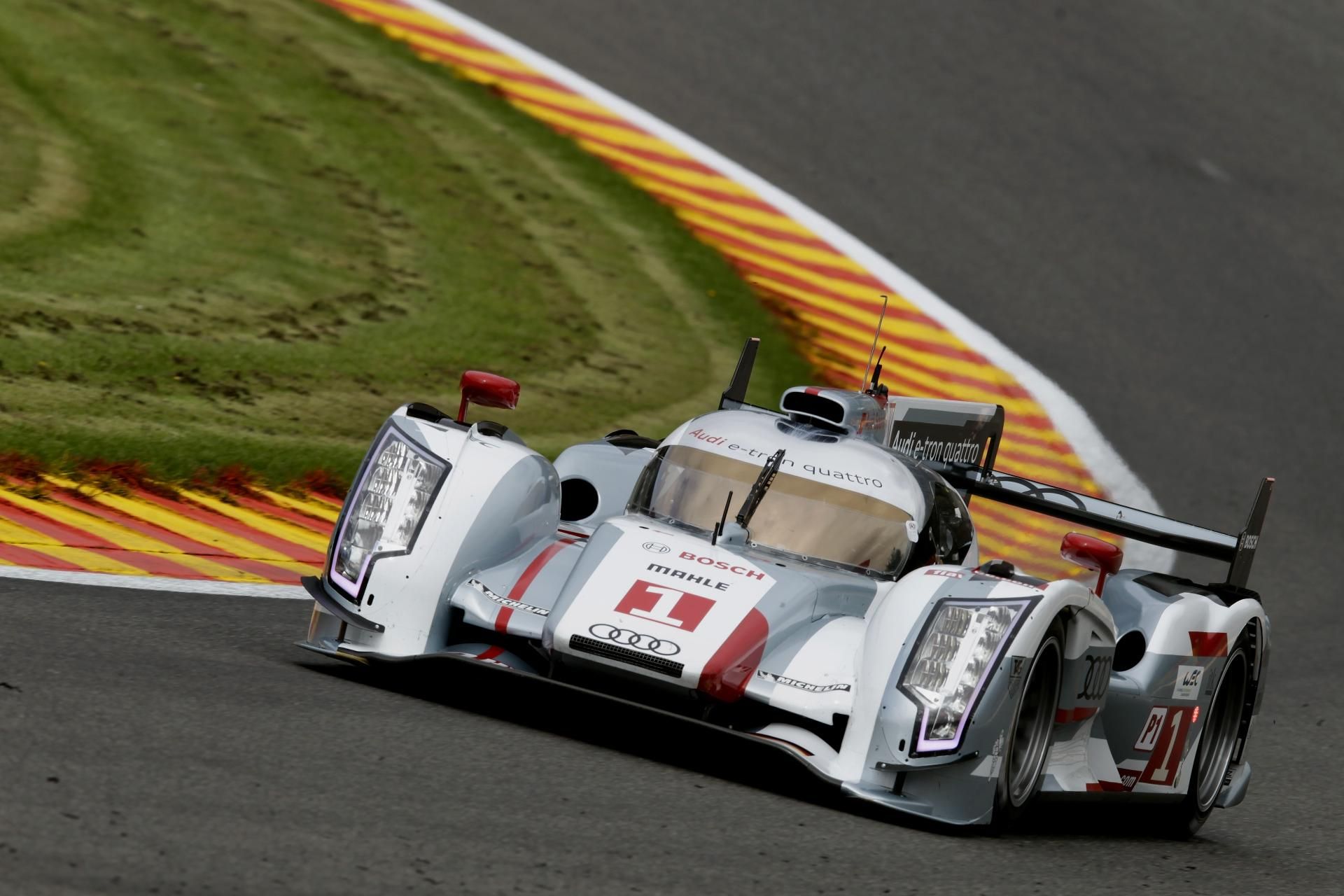
Audi R10 TDI and R15 TDI
These two models are arguably the titans of diesel racing. Audi's R10 TDI, launched in 2006, was a game-changer. It was the first diesel-powered car to win the 24 Hours of Le Mans, and it did so in its debut year! Its successor, the R15 TDI, continued the legacy, racking up further victories at Le Mans.
What made them so successful? A combination of factors, including: Massive Torque: Their V12 TDI engines produced immense torque, allowing them to accelerate quickly out of corners and maintain high speeds on straights. Fuel Efficiency: The diesel engines were incredibly fuel-efficient, allowing Audi to run longer stints between refueling stops. Reliability:Audi's engineering prowess ensured that the cars were incredibly reliable, minimizing mechanical issues during the grueling 24-hour race.
I remember watching the R10 TDI dominate Le Mans back in '06. The sound was different, a deep rumble compared to the high-pitched scream of the gasoline engines. You could feel the power radiating off the screen. It was a pivotal moment, proving that diesel could not only compete butwinat the highest level of motorsport.
Volkswagen Race Touareg
While Audi conquered Le Mans, Volkswagen took aim at a different challenge: the Dakar Rally. The Race Touareg, a purpose-built off-road racer, dominated the Dakar in the late 2000s and early 2010s. Powered by a TDI diesel engine, it conquered the harsh terrain and extreme conditions of the Dakar with ease.
The Touareg's success stemmed from: Robustness: The Dakar is notoriously brutal on vehicles. The Race Touareg was built to withstand extreme heat, sandstorms, and treacherous terrain. Torque for Traction: The TDI engine provided the low-end torque needed to navigate challenging off-road obstacles. Experienced Team:Volkswagen's team had a wealth of experience in off-road racing, which proved invaluable in navigating the Dakar's unpredictable course.
Other Notable Mentions
While the Audi R10/R15 TDI and Volkswagen Race Touareg are the most famous, other diesel race cars have made their mark, often in smaller, regional series. It's also worth noting the ongoing developments in diesel-powered trucks competing in off-road events like the Best in the Desert series. These trucks showcase the durability and power of diesel in extreme conditions.
The Future of Diesel Racing
So, what does the future hold for diesel in racing? While the spotlight has shifted somewhat towards hybrid and electric technologies, diesel still has a role to play. Advancements in biodiesel and synthetic diesel fuels are making diesel engines cleaner and more sustainable. Moreover, the inherent fuel efficiency and torque advantages of diesel remain attractive, especially in endurance racing and off-road events.
I believe we'll continue to see diesel engines competing, particularly in categories where fuel efficiency and robustness are paramount. While they might not dominate every series, they'll remain a force to be reckoned with, pushing the boundaries of diesel technology and proving that power and efficiency can go hand in hand.
People Also Ask:
Here are some common questions people have about diesel race cars:Q: Are diesel race cars slower than gasoline race cars?
A: Not necessarily. While diesel engines typically have lower horsepower figures than gasoline engines, they produce significantly more torque. This torque advantage can lead to quicker acceleration and faster lap times, especially in certain types of races.
Q: Why aren't there more diesel race cars?
A: Diesel racing hasn't been mainstream due to the traditional preference for gasoline engines in motorsport and the initial negative perceptions surrounding diesel technology. But with the success of models like the Audi R10 TDI, and the increasing focus on fuel efficiency, the appeal of diesel is growing.
Q: What makes diesel engines good for racing?
A: The high torque output of diesel engines is a significant advantage, enabling faster acceleration and better performance in challenging conditions. Their fuel efficiency also allows for longer stints between refueling, saving valuable time in endurance races.
Q: Is diesel racing environmentally friendly?
A: While diesel engines have historically been associated with higher emissions, modern diesel engines are much cleaner, thanks to advancements in technology and the use of alternative fuels like biodiesel. Racing series are also increasingly focused on sustainability, further incentivizing the development of cleaner diesel technologies.
Embrace the Rumble
The world of diesel race car models is a testament to innovation and the relentless pursuit of performance. From the legendary Audi R10 TDI to the Dakar-dominating Volkswagen Race Touareg, these machines have proven that diesel power can be a formidable force on the track.
So, the next time you hear that deep rumble at the racetrack, don't automatically assume it's a gasoline engine. It might just be a diesel race car, rewriting the rules of speed and endurance. And who knows? Maybe you'll be inspired to explore the possibilities of diesel technology yourself. One small step you can take now is to research any local diesel motorsports events and go check one out. You'll be sure to enjoy the unique experience!
Posting Komentar untuk "Diesel Race Car Models That Dominate the Track"