Diesel Electric Cars Explained: Benefits and Drawbacks
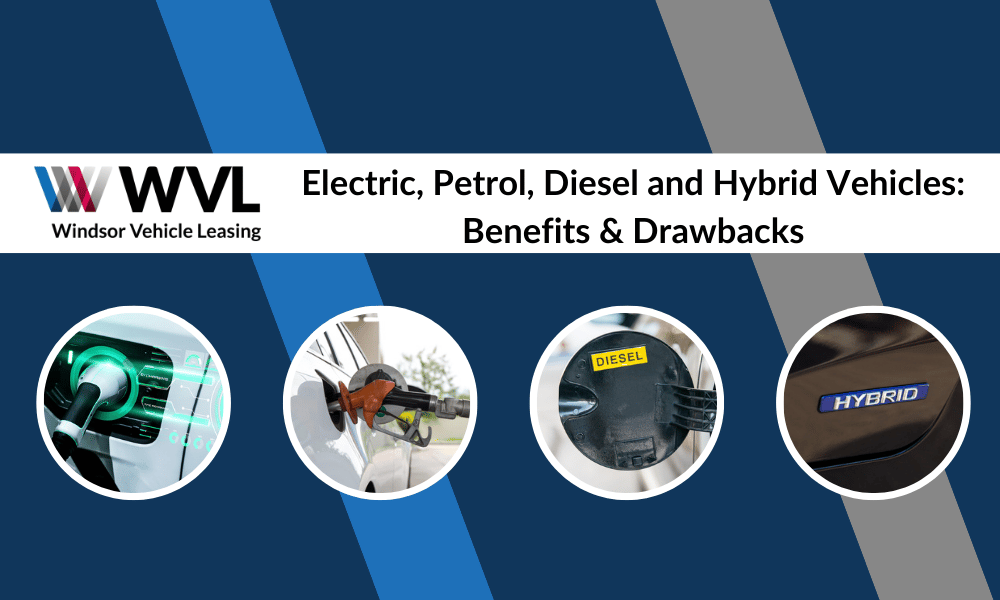
Okay, here's a blog post draft about diesel-electric cars, keeping the tone friendly and informative:Is a Diesel-Electric Hybrid Right For You? Weighing the Pros and Cons
Ever find yourself stuck in rush hour, inching forward and feeling the guilt of all that wasted fuel? Or maybe you're dreaming of a more fuel-efficient ride that doesn't completely break the bank. You're not alone! Many of us are looking for smarter, greener ways to get around. Electric cars are getting more popular every day, but what about a blend of the old and the new? We’re going to dive into the world of vehicles that combine a diesel engine with electric power – diesel-electric hybrids. Are they the best of both worlds, or do the drawbacks outweigh the advantages? Let's explore what these cars offer, and see if one might be a fit for your needs.
Understanding Diesel-Electric Hybrids
Let's be honest, when I first heard about diesel-electric cars, I was a little confused. I understood diesel engines, and I understood electric cars, but the combo? It seemed a bit… strange. Like putting peanut butter on pizza (some people might like it, but it’s not exactly mainstream!). My initial reaction was to dismiss the idea, thinking it was just a complicated, niche technology. But the more I researched, the more I realized there was some real potential here.
Essentially, a diesel-electric hybrid car uses a diesel engine to generate electricity. This electricity then powers an electric motor, which drives the wheels. Think of the diesel engine as a mini-power plant that charges a battery and keeps things running. The beauty is that the diesel engine doesn't always have to directly power the wheels, like a traditional diesel car. It can run at its most efficient speed, maximizing fuel economy and reducing emissions.
It’s like a team effort: the diesel engine is the reliable workhorse, constantly supplying energy, and the electric motor is the nimble athlete, providing instant torque and smooth acceleration.
How They Work: A Practical Breakdown
The core of a diesel-electric hybrid system consists of several key components: Diesel Engine: A smaller, more efficient diesel engine than you'd find in a traditional diesel car. It's optimized for generating electricity, not necessarily for raw power. Generator: The diesel engine is connected to a generator. This converts the mechanical energy of the engine into electrical energy. Battery Pack: The electrical energy from the generator is stored in a battery pack. This battery pack provides power to the electric motor. Electric Motor: This is the motor that actually turns the wheels and propels the car forward. Control System:A sophisticated computer system manages the flow of energy between the diesel engine, generator, battery pack, and electric motor. It optimizes the system for efficiency and performance.
Imagine you're driving up a hill. The control system might tell the diesel engine to kick in and generate more electricity to power the electric motor. When you're cruising on a flat road, the diesel engine might run at a lower speed or even shut off completely, relying solely on the battery pack. When braking, regenerative braking captures kinetic energy and uses it to recharge the battery. This seamless interplay is what makes diesel-electric hybrids so interesting.
The Benefits of Going Diesel-Electric
So, why would anyone choose a diesel-electric hybrid over a regular diesel or a full electric car? Here are some compelling reasons: Improved Fuel Efficiency: Diesel engines are already known for their fuel efficiency, and pairing them with an electric motor takes it to the next level. You can expect significantly better mileage compared to a traditional diesel car, especially in city driving. Reduced Emissions: While diesel engines have faced criticism for emissions, diesel-electric hybrids can significantly reduce harmful pollutants. The diesel engine operates more efficiently, and the electric motor allows for zero-emission driving in certain situations. Strong Torque: Electric motors are famous for delivering instant torque, providing quick acceleration and a responsive driving experience. Combining this with the torque of a diesel engine gives you a powerful and enjoyable ride. Extended Range: Unlike full electric cars, diesel-electric hybrids don't suffer from range anxiety. You can refuel with diesel at any gas station, providing a much longer range than most electric vehicles. Durability and Longevity:Diesel engines are known for their durability and longevity, potentially leading to lower maintenance costs over the long term.
Think about it: you get the fuel efficiency and lower emissions of a hybrid, the strong torque of an electric motor, and the long range and durability of a diesel engine. It sounds like a winning combination, right?
Navigating the Drawbacks
Of course, no technology is perfect. Diesel-electric hybrids also have their drawbacks: Complexity: The system is more complex than a traditional diesel or gasoline engine, which can lead to higher maintenance costs and potential reliability issues. More parts mean more things thatcouldgo wrong. Higher Initial Cost: Diesel-electric hybrids tend to be more expensive than comparable diesel or gasoline cars. The advanced technology and additional components contribute to the higher price tag. Weight: The battery pack and electric motor add weight to the car, which can slightly impact handling and performance. Diesel Engine Noise: While efforts are made to minimize noise, diesel engines are generally louder than gasoline engines, which some drivers may find objectionable. Availability:Diesel-electric hybrid options are not as widely available as traditional diesel or gasoline cars, making it harder to find the perfect model.
It’s important to weigh these drawbacks against the benefits to determine if a diesel-electric hybrid is the right choice for you. Are you willing to pay a higher price for increased fuel efficiency and reduced emissions? Are you comfortable with the potential for higher maintenance costs? These are important questions to consider.
Common Questions Answered:Why are diesel engines fuel-efficient?
Diesel engines are more fuel-efficient than gasoline engines because of the way they combust fuel. They use compression ignition, which means the air in the cylinder is compressed to a very high pressure, causing it to heat up. Then, fuel is injected into the hot air, and it ignites spontaneously. This process is more efficient at extracting energy from the fuel than the spark ignition used in gasoline engines. Diesel fuel also has a higher energy density than gasoline, meaning it contains more energy per gallon.
How do diesel-electric hybrids reduce emissions?
Diesel-electric hybrids reduce emissions through a combination of factors. First, the diesel engine is typically smaller and more efficient than the engine in a traditional diesel car. Second, the electric motor allows for zero-emission driving in certain situations, such as low-speed city driving. Third, regenerative braking captures energy that would otherwise be lost as heat and uses it to recharge the battery, further reducing fuel consumption and emissions. Finally, advanced emission control systems, such as diesel particulate filters and selective catalytic reduction, help to remove pollutants from the exhaust.
Will diesel-electric cars become more popular?
That’s the million-dollar question! The future of diesel-electric hybrids depends on several factors, including government regulations, consumer demand, and technological advancements. As emissions regulations become stricter, diesel-electric hybrids could become a more attractive option for automakers looking to meet those standards. The development of more efficient and affordable battery technology could also boost the popularity of these cars. However, the increasing popularity of full electric cars poses a significant challenge to the diesel-electric hybrid market. Ultimately, the success of diesel-electric hybrids will depend on their ability to offer a compelling combination of fuel efficiency, performance, and affordability.
Final Thoughts
So, is a diesel-electric hybrid the right choice for you? The answer, as with most things in life, is “it depends.” If you prioritize fuel efficiency, reduced emissions, and long range, and you're willing to pay a bit more upfront, then a diesel-electric hybrid could be a great option. However, if you're concerned about complexity, maintenance costs, and the availability of models, you might want to consider other alternatives.
Ultimately, the best way to decide is to do your research, test drive a few different models, and talk to owners who have experience with diesel-electric hybrids. Don’t be afraid to ask questions and weigh the pros and cons carefully. Whether you choose to go diesel-electric or stick with another type of vehicle, the goal is to make an informed decision that meets your needs and helps you contribute to a more sustainable future. Happy driving!
Posting Komentar untuk "Diesel Electric Cars Explained: Benefits and Drawbacks"