Diesel Car MPG Comparison: Best Cars by Mileage
Okay, here's a long-form blog article based on your specifications.
Saving Fuel, Saving Money: Finding the Most Efficient Diesel Ride
Let's face it: nobody enjoys shelling out extra cash at the pump. Whether you’re commuting to work, hauling equipment, or simply enjoying a weekend road trip, fuel costs can really add up. If you're thinking about making a change and squeezing more miles out of every gallon, exploring vehicles known for their fuel economy is a smart move. And if you're considering diesel, you're likely already thinking about longevity and efficiency. The good news is there are some fantastic options out there.
This article is all about diving into the world of diesel vehicles, specifically focusing on those models that really shine when it comes to miles per gallon (MPG). We'll explore some top contenders, discuss what makes them so efficient, and answer some common questions you might have before making a purchase. So, let's get started on finding you a diesel ride that's both powerfulandeasy on your wallet.
Unveiling the MPG Champions: Diesel Cars That Go the Distance
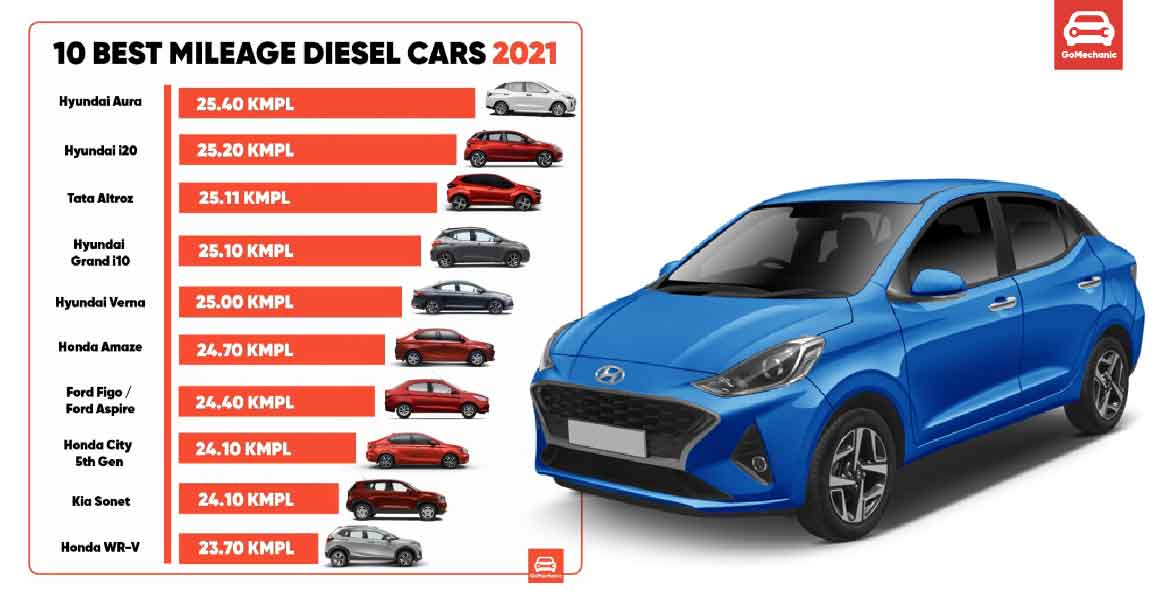
Okay, so you're probably thinking, "What are theactualcars we're talking about here?" Fair enough! Before we dive into the nitty-gritty of how to maximize your diesel's efficiency, let’s look at some models that historically have been known for impressive fuel economy. It's important to note that availability and specific MPG figures can vary based on year, trim level, and driving conditions, so always check the manufacturer's specifications and real-world reviews for the most accurate information. Also note that vehicle models may not be available in every region.
In the past, some diesel vehicles have been recognized for fuel efficiency. For example, certain Volkswagen models, particularly those with TDI engines, have often been praised for their MPG. The Volkswagen Golf TDI and the Volkswagen Jetta TDI were popular choices for drivers who wanted a balance of performance and efficiency. These cars offered a peppy driving experience while still achieving excellent mileage. Other European manufacturers, like BMW and Mercedes-Benz, have also offered diesel models known for their efficiency, though often leaning towards the luxury end of the spectrum. Keep an eye out for models like the BMW 320d or certain Mercedes-Benz C-Class diesel variants. Remember to research the specific year and engine of any vehicle you're considering, as fuel economy can vary.
My Journey with a Thrifty Diesel (and What I Learned)
A few years back, I found myself in a similar position to where you might be now. I was driving a gas guzzler that, while fun, was bleeding my wallet dry at the pump. I started researching alternatives and became intrigued by the reputation of diesel engines for longevity and fuel efficiency. After a ton of research and test drives, I ended up purchasing a used Jetta TDI.
Honestly, the difference was night and day. Not only was I filling up less often, but the torque of the diesel engine made it a surprisingly enjoyable car to drive. I also noticed a positive change in my driving habits; knowing that I was getting more miles per gallon encouraged me to drive more smoothly and consciously, avoiding unnecessary acceleration and braking.
But here's the thing: owning a diesel isn'tjustabout buying the right car. It's also about understanding how to maintain it properly and how to drive in a way that maximizes fuel economy. I learned this the hard way (more on that later!).
Practical Steps to Squeeze Every Last Mile Out of Your Diesel
So, what canyoudo to make sure you're getting the best possible MPG from your diesel vehicle? Here are a few key strategies that I learned through experience and research: Regular Maintenance is Key: This might seem obvious, but neglecting maintenance is a surefire way to kill your fuel economy. Make sure you're following the manufacturer's recommended service schedule for oil changes, air filter replacements, and fuel filter replacements. A clogged air filter, for example, can restrict airflow to the engine, forcing it to work harder and burn more fuel. Diesel engines, in particular, can be sensitive to fuel quality, so using high-quality fuel and replacing the fuel filter regularly is crucial. Tire Pressure Matters: Underinflated tires create more rolling resistance, which means your engine has to work harder to move the car. Check your tire pressure regularly (at least once a month) and inflate them to the recommended pressure listed on the sticker inside your driver's side door. Drive Smoothly: Aggressive driving habits, like rapid acceleration and hard braking, can significantly reduce your fuel economy. Aim for smooth, gradual acceleration and try to anticipate traffic conditions to avoid unnecessary braking. Using cruise control on the highway can also help maintain a consistent speed and improve fuel economy. Reduce Weight: Carrying unnecessary weight in your car is like asking your engine to run a marathon with a backpack full of bricks. Remove any unnecessary items from your trunk or back seat to lighten the load and improve fuel efficiency. Avoid Idling: Letting your engine idle for extended periods wastes fuel. If you're going to be stopped for more than a minute or two, it's generally better to turn off the engine. Consider Fuel Additives (with caution): Some diesel owners use fuel additives to improve fuel economy and keep their engines clean. However, it's important to research additives carefully and choose a reputable brand that's specifically designed for your engine. Always follow the manufacturer's instructions. Stay Informed:Keep an eye on your car's fuel economy. Most modern vehicles have a trip computer that displays real-time and average MPG. Monitoring your fuel economy can help you identify potential problems and adjust your driving habits accordingly.
The Sweet Rewards of Fuel Efficiency: Benefits You'll See
Okay, so you’re putting in the effort – what's in it for you? Beyond the obvious benefit of saving money at the pump, improving your diesel's fuel economy offers a whole host of advantages: Reduced Fuel Costs: This is the big one. By improving your MPG, you'll save a significant amount of money on fuel over the long term. This can free up funds for other expenses or allow you to save for your future goals. Extended Range: A more fuel-efficient vehicle can travel farther on a single tank of fuel, which can be particularly beneficial for long road trips. Reduced Environmental Impact: By burning less fuel, you'll reduce your vehicle's emissions and contribute to a cleaner environment. Improved Vehicle Longevity: Maintaining your vehicle properly and driving smoothly can help extend its lifespan and reduce the risk of costly repairs. A Sense of Accomplishment:Honestly, there's something satisfying about knowing you're getting the most out of your vehicle and contributing to a more sustainable lifestyle.
Addressing Common Diesel Dilemmas: Your Questions Answered
Of course, jumping into the world of diesel engines can bring up some questions. Here are a few common concerns and their simple solutions:Why is regular maintenance so important for diesel fuel economy?
Diesel engines, while known for their durability, are also sophisticated machines that require regular maintenance to operate efficiently. Dirty air filters, clogged fuel filters, and old engine oil can all impede performance and reduce fuel economy. Regular maintenance ensures that your engine is running smoothly and efficiently, maximizing its MPG. Think of it like this: a well-maintained engine is like a well-conditioned athlete – it can perform better and longer.
How do you start driving more fuel-efficiently?
The first step is simply becoming more aware of your driving habits. Pay attention to how quickly you accelerate, how often you brake, and how much you idle. Start by trying to smooth out your acceleration and braking. Instead of slamming on the gas pedal, try to accelerate gradually. Instead of braking hard at the last minute, try to anticipate traffic conditions and brake gently. Also, avoid idling unnecessarily. By making these simple changes, you can significantly improve your fuel economy without sacrificing performance.
What are the common myths about diesel fuel economy?
One common myth is that all diesel vehicles automatically get amazing fuel economy. While diesel enginesaregenerally more fuel-efficient than gasoline engines, the actual MPG you achieve will depend on a variety of factors, including the specific vehicle, your driving habits, and the road conditions. Another myth is that diesel fuel is always more expensive than gasoline. While this can sometimes be the case, diesel prices can fluctuate, and sometimes diesel is actually cheaper than gasoline. It's important to compare prices at the pump before making a decision based solely on price.
Diesel: A Smart Choice for Efficiency?
So, there you have it – a comprehensive look at maximizing MPG in diesel vehicles. Remember, choosing a fuel-efficient vehicle is just the first step. By following the maintenance tips, adopting efficient driving habits, and addressing common concerns, you can squeeze every last mile out of your tank and enjoy the many benefits of owning a fuel-efficient diesel.
Ultimately, the decision to purchase a diesel vehicle depends on your individual needs and preferences. However, if you're looking for a combination of power, durability, and fuel efficiency, a well-maintained diesel can be a fantastic option. Do your research, compare different models, and make an informed decision that's right for you. Happy driving, and may your fuel costs be low!
Posting Komentar untuk "Diesel Car MPG Comparison: Best Cars by Mileage"