TDI Diesel Cars Explained: What It Means and Top Models
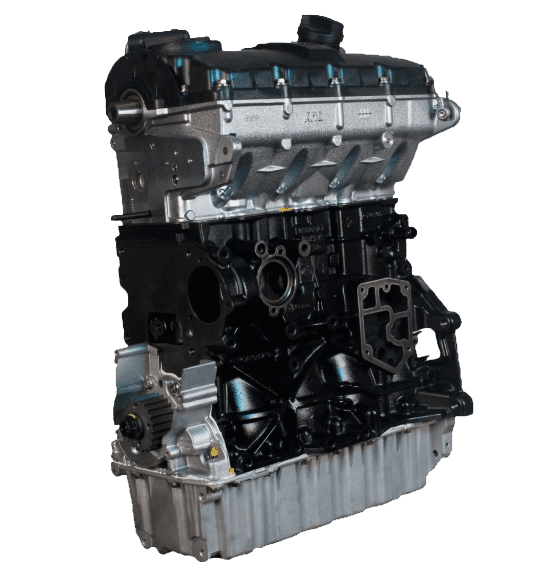
Are you curious about those "TDI" badges you see on certain Volkswagen and Audi cars? TDI diesel engines represent a blend of power, efficiency, and clever engineering. Understanding what TDI stands for, how it works, and which models showcase this technology best can help you make an informed decision about your next car purchase. This guide provides a comprehensive overview of TDI diesel cars, covering their definition, benefits, and the top models that have made them a popular choice for drivers seeking fuel economy and performance.
All About TDI Diesel Cars
TDI stands forTurbocharged Direct Injection. It describes a specific type of diesel engine developed and heavily marketed by the Volkswagen Group (VW, Audi, Skoda, and SEAT). The "Turbocharged" part means the engine uses aturbochargerto force more air into the combustion chamber, increasing power. The "Direct Injection" part refers to how the fuel is injected directly into the cylinder, rather than into a pre-chamber. This combination leads to increased fuel efficiency, reduced emissions (compared to older diesel designs), and a noticeable boost in torque. These enhancements are significant in understanding how to TDI diesel cars explained:what it means and top models offer a unique driving experience.
Historically, diesel engines were often perceived as noisy, smoky, and less refined than their gasoline counterparts. VW's development of TDI technology in the late 1980s and early 1990s was a game-changer. The first TDI engine was introduced in the Audi 100 in 1989. Through continuous improvements in fuel injection systems, turbocharger technology, and engine management software, TDI engines have evolved to become cleaner, quieter, and more powerful. However, the "Dieselgate" scandal in 2015, where VW admitted to using software to cheat on emissions tests, significantly impacted the reputation of TDI engines and led to stricter emissions regulations worldwide.
What differentiates a TDI engine from other diesel engines is its focus on precise fuel delivery and optimized combustion. Older diesel engines relied on less sophisticated injection systems, resulting in incomplete combustion and higher levels of pollutants. TDI engines utilize advanced common-rail direct injection systems, which allow for multiple fuel injections per combustion cycle. This precise control over fuel injection timing and quantity results in more efficient combustion, reduced emissions, and improved performance. In essence, the design of these engines contribute to the benefits of TDI diesel cars explained: what it means and top models.
Expert opinions often highlight the benefits of TDI engines, particularly their fuel economy and torque. For example, automotive journalists frequently praise TDI engines for their ability to deliver impressive mileage figures, making them ideal for long-distance driving. Furthermore, the strong low-end torque provided by TDI engines makes them well-suited for towing and hauling. However, it's also important to acknowledge the environmental concerns associated with diesel engines, even those with advanced technologies like TDI.
Benefits of TDI Diesel Cars for Users
TDI diesel engines significantly enhance the user experience by providing a compelling combination of fuel efficiency and performance. This balance contributes to the appeal of TDI diesel cars explained: what it means and top models.
One of the most noticeable benefits is theexcellent fuel economy. TDI engines consistently achieve higher mileage figures compared to similar-sized gasoline engines. This translates into fewer trips to the gas station and significant savings on fuel costs over the lifespan of the vehicle. For example, a VW Golf TDI can often achieve over 40 miles per gallon on the highway, whereas a comparable gasoline-powered Golf might only achieve around 30 mpg.
Another key benefit is thehigh torque outputat low engine speeds. Torque is the twisting force that allows a vehicle to accelerate quickly and easily, especially from a standstill or at low speeds. TDI engines are known for their "pulling power," making them feel responsive and enjoyable to drive. This characteristic is particularly useful when carrying heavy loads or towing a trailer.
Compared to older diesel engines, TDI engines are significantly quieter and produce fewer vibrations. This is due to improvements in engine design, fuel injection systems, and sound insulation. While some diesel engine noise is still present, it is generally less intrusive than older generations of diesel technology.
While hybrid and electric vehicles offer even greater fuel efficiency and zero tailpipe emissions, TDI diesel cars still offer a compelling alternative for drivers who prioritize long-distance driving and towing capabilities. Unlike electric vehicles, TDI cars can be refueled quickly and easily at any gas station. Furthermore, the range of a TDI car is typically much greater than that of an electric vehicle, making them more practical for long journeys. However, it's crucial to remember that the "Dieselgate" scandal brought concerns about emissions to the forefront, and modern TDI engines are designed to meet stringent emissions standards.
How to Use TDI Diesel Cars
Operating a TDI diesel car is generally similar to driving a gasoline-powered car. However, there are a few key differences to keep in mind:
1. Fueling Up
The most important difference is, of course, the fuel.Always use diesel fuel. Putting gasoline in a diesel engine can cause serious damage. The fuel filler cap on a TDI car will usually be marked with the word "Diesel" or a diesel fuel symbol.
2. Cold Starts
Diesel engines, especially older ones, can sometimes be harder to start in cold weather. TDI engines have glow plugs that pre-heat the combustion chambers to aid in starting. When you turn the key, wait for the glow plug light (a coiled wire symbol) on the dashboard to go out before starting the engine. This ensures that the glow plugs have sufficiently warmed the cylinders. Modern TDIs usually start without issue in most climates, but it's still a good practice to follow.
3. Driving Habits
While TDI engines offer good low-end torque, they generally don't rev as high as gasoline engines. Shifting gears at lower RPMs is generally more efficient and results in better fuel economy. Pay attention to the engine sound and feel to determine the optimal shift points. Also, avoid excessively idling the engine, as this can lead to fuel wastage.
Tips Before Using TDI Diesel Cars
Before purchasing or using a TDI diesel car, there are several factors to consider:Maintenance: TDI engines require specific maintenance procedures, such as regular oil changes with diesel-specific oil and fuel filter replacements. Following the manufacturer's recommended maintenance schedule is crucial for ensuring the longevity and reliability of the engine. Also, be aware of potential issues with the Diesel Particulate Filter (DPF), which is designed to trap soot particles. Clogged DPFs can reduce performance and fuel economy. Regular highway driving can help to regenerate the DPF. Fuel Quality: Using high-quality diesel fuel is important for optimal engine performance and reduced emissions. Avoid using fuel from questionable sources or that may be contaminated. Emissions Regulations: Be aware of the emissions regulations in your area. Some cities or regions may have restrictions on diesel vehicle usage due to air quality concerns. "Dieselgate" Legacy: While modern TDI engines are designed to meet stringent emissions standards, it's worth researching the specific model you're considering to ensure that it has been properly updated to address any potential emissions-related issues stemming from the "Dieselgate" scandal.
Ignoring these tips can lead to decreased fuel economy, increased emissions, reduced engine lifespan, and potential legal issues.
Common Issues and Solutions Related to TDI Diesel Cars
While TDI engines are generally reliable, some common issues can arise: Diesel Particulate Filter (DPF) Clogging:The DPF can become clogged with soot particles, leading to reduced performance and fuel economy. This is more common in cars used primarily for short trips at low speeds.
Solution: Take the car for a long highway drive to allow the DPF to regenerate. In some cases, a forced regeneration by a mechanic may be necessary. EGR Valve Issues: The Exhaust Gas Recirculation (EGR) valve can become clogged with carbon deposits, leading to poor engine performance and increased emissions.
Solution: Clean or replace the EGR valve. Injector Problems: The fuel injectors can become clogged or malfunction, leading to poor fuel economy and rough running.
Solution: Have the injectors cleaned or replaced by a qualified mechanic. Turbocharger Failure: The turbocharger is a critical component of a TDI engine, and its failure can result in a significant loss of power.
Solution: Replace the turbocharger. "Dieselgate" Recalls: Depending on the model year, your TDI car may be subject to recalls to address emissions-related issues.
Solution: Check with your local VW or Audi dealer to see if your car is affected by any recalls and schedule the necessary repairs.
Top TDI Diesel Car Models
Several models have successfully utilized TDI technology. Here are a few notable examples: Volkswagen Golf TDI: The Golf TDI is a popular choice for its excellent fuel economy, practicality, and enjoyable driving dynamics. Volkswagen Jetta TDI: The Jetta TDI offers similar benefits to the Golf TDI, but with a larger trunk and more rear passenger space. Volkswagen Passat TDI: The Passat TDI is a comfortable and spacious mid-size sedan that delivers excellent fuel economy for its size. Audi A3 TDI: The A3 TDI is a premium compact car that combines TDI efficiency with Audi's refined interior and sporty handling. Audi A4 TDI: The A4 TDI is a popular choice for drivers who want a combination of luxury, performance, and fuel economy. Audi Q7 TDI: A larger SUV, the Q7 TDI offered decent fuel economy for its size, along with towing capabilities.
These models showcase the various applications and benefits of TDI technology across different vehicle segments.
Conclusion
TDI diesel engines represent a significant advancement in diesel technology, offering a compelling combination of fuel efficiency and performance. Understanding what TDI means and how it works can help you appreciate the benefits of these engines and make an informed decision about whether a TDI car is right for you. While the "Dieselgate" scandal has raised concerns about emissions, modern TDI engines are designed to meet stringent standards. By considering the benefits, potential issues, and proper maintenance procedures, you can enjoy the advantages of TDI technology for years to come. Whether you're looking for a fuel-efficient commuter car or a capable towing vehicle, TDI diesel cars offer a unique and versatile option.
Posting Komentar untuk "TDI Diesel Cars Explained: What It Means and Top Models"