Diesel Car Mechanic Career Guide: Skills and Job Outlook
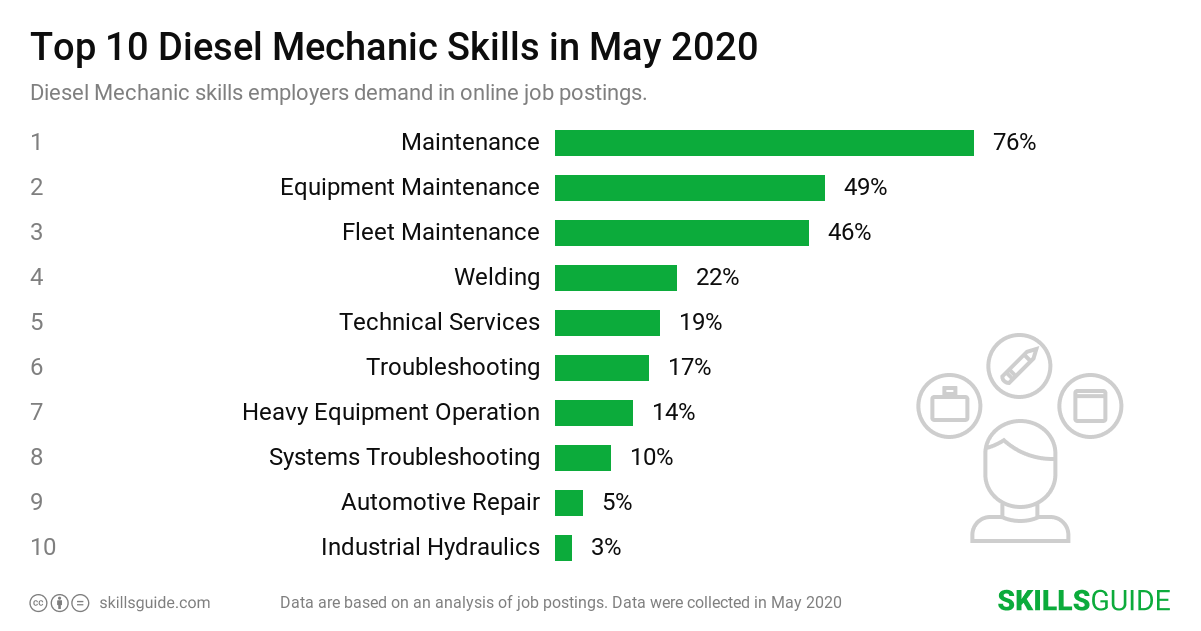
Are you fascinated by the roar of a diesel engine and the intricate workings of heavy-duty vehicles? If so, a career as a diesel car mechanic might be the perfect fit. This guide dives into the essential skills needed, job outlook predictions, and everything you need to know to steer your career towards diesel mechanics. We'll explore the world of diesel engines, the demand for skilled technicians, and provide insights into training, certifications, and salary expectations, ensuring you have a clear roadmap to success in this thriving field.
All About Diesel Car Mechanics
Adiesel car mechanic, unlike a general automotive technician, specializes in the maintenance and repair of diesel engines. These engines, known for their power and efficiency, are commonly found in trucks, buses, heavy equipment, and increasingly in passenger vehicles. The significance of diesel car mechanics stems from the critical role these vehicles play in our economy, from transporting goods to powering construction sites.
The evolution of diesel engines has been remarkable. Originally developed by Rudolf Diesel in the late 19th century, these engines have undergone significant advancements in fuel injection, turbocharging, and emission control systems. Modern diesel mechanics need to be proficient in diagnosing and repairing these complex systems, utilizing sophisticated diagnostic equipment and software. Diesel engines are typically found in heavy vehicles, and diesel car mechanics are well-versed inheavy vehicle repairs.
What sets diesel car mechanics apart is their specialized knowledge of diesel engine technology. This includes understanding high-pressure fuel systems, exhaust after-treatment devices like diesel particulate filters (DPFs) and selective catalytic reduction (SCR) systems, and the unique characteristics of diesel combustion. While general mechanics might work on a variety of vehicles, diesel mechanics focus specifically on the intricacies of diesel engines.
Expert opinions highlight the growing demand for skilled diesel technicians. As the transportation industry continues to rely on diesel-powered vehicles, the need for qualified mechanics will only increase. This demand, coupled with the increasing complexity of diesel technology, makes this a stable and rewarding career path.
Benefits of a Diesel Car Mechanic Career
Becoming a diesel car mechanic offers several compelling advantages. One of the primary benefits is job security. The trucking industry, construction, agriculture, and other sectors heavily rely on diesel-powered equipment, ensuring a constant need for qualified technicians. Thejob outlook for diesel mechanicsis projected to grow steadily, making it a stable career choice.
Beyond job security, a diesel mechanic career can be financially rewarding. Salaries typically reflect the specialized skills required and the demand for qualified technicians. Earning potential increases with experience, certifications, and specialized training. Mechanics working onheavy vehicle repairstypically command higher salaries, reflecting the complexity of their work.
Furthermore, this career provides opportunities for continuous learning and professional development. As diesel technology evolves, mechanics must stay updated on the latest advancements through training programs and certifications. This continuous learning process keeps the job engaging and challenging.
Consider the example of a fleet maintenance company responsible for servicing a large fleet of delivery trucks. Without skilled diesel mechanics, the company would face significant downtime, impacting their ability to deliver goods on time. The expertise of diesel mechanics ensures the smooth operation of the fleet, contributing directly to the company's bottom line. Compared to some alternative trades, the hands-on nature of diesel mechanics provides a tangible sense of accomplishment, a clear contrast to desk-bound roles.
Data from the Bureau of Labor Statistics consistently demonstrates a positive job outlook for diesel service technicians and mechanics. This data reinforces the notion that pursuing a career in diesel mechanics is a sound investment in one's future.
How to Become a Diesel Car Mechanic
1. Obtain Education and Training
The first step towards becoming a diesel mechanic is to acquire the necessary education and training. Many aspiring mechanics start with a high school diploma or GED, followed by enrollment in a vocational school or community college program specializing in diesel technology. These programs typically cover topics such as engine diagnostics, fuel systems, electrical systems, and hydraulic systems.
Best practices involve choosing a program that is accredited by a reputable organization, such as the National Automotive Technicians Education Foundation (NATEF). Accreditation ensures that the program meets industry standards and provides a comprehensive curriculum.Accredited diesel mechanic programsare highly recommended to gain quality education.
2. Gain Hands-On Experience
While classroom learning is essential, hands-on experience is equally crucial. Many vocational programs incorporate internships or apprenticeships, allowing students to apply their knowledge in a real-world setting. Working alongside experienced mechanics provides invaluable insights and practical skills that cannot be learned in a classroom.
A common mistake to avoid is relying solely on classroom instruction without seeking opportunities for hands-on experience. Actively seeking internships or volunteer positions at local repair shops can significantly enhance your skills and increase your employability. Gainingpractical diesel mechanic skillsis vital.
3. Obtain Certifications
Obtaining certifications demonstrates your competency and enhances your credibility as a diesel mechanic. The most widely recognized certification program is offered by the National Institute for Automotive Service Excellence (ASE). ASE offers a range of certifications for diesel engines, including medium/heavy truck diesel engines, transit bus diesel engines, and school bus diesel engines.
To become ASE certified, you must pass a written exam and have at least two years of relevant work experience. Maintaining your ASE certification requires periodic recertification to ensure that you stay updated on the latest technologies and repair techniques. Pursuingdiesel mechanic certificationsproves your dedication to the profession.
Tips Before Starting a Diesel Mechanic Career
Before embarking on a diesel mechanic career, it's important to understand the physical demands of the job. Diesel mechanics often work in physically demanding environments, requiring them to lift heavy parts, work in confined spaces, and stand for extended periods.
Recommendations include ensuring that you are physically fit and capable of handling the demands of the job. Regular exercise and proper lifting techniques can help prevent injuries. Moreover, it's crucial to wear appropriate safety gear, such as steel-toed boots, safety glasses, and gloves, to protect yourself from potential hazards.
Ignoring these tips can lead to injuries and burnout. Taking care of your physical health is essential for a long and successful career as a diesel mechanic. Understanding thephysical demands of diesel mechanicsis essential before entering the field.
Common Issues and Solutions for Diesel Car Mechanics
Diesel mechanics may encounter various challenges in their daily work. One common issue is diagnosing complex engine problems. Modern diesel engines are equipped with sophisticated electronic control systems, making it difficult to pinpoint the root cause of a malfunction.
Practical solutions include using advanced diagnostic equipment, such as scan tools and oscilloscopes, to analyze engine data and identify faulty components. Additionally, staying updated on the latest diagnostic techniques and attending training seminars can improve your troubleshooting skills. Addressingdiesel engine troubleshootingis crucial for effective repairs.
Another common problem is dealing with emission control systems. Diesel engines are subject to strict emission regulations, and mechanics must be proficient in diagnosing and repairing emission-related issues. Solutions involve understanding the workings of diesel particulate filters (DPFs), selective catalytic reduction (SCR) systems, and other emission control devices. Regularly cleaning or replacing these components can help maintain compliance with emission standards.
Conclusion
A career as a diesel car mechanic offers a rewarding and stable path for individuals passionate about diesel engines and heavy-duty vehicles. By acquiring the necessary education, gaining hands-on experience, and obtaining certifications, aspiring mechanics can position themselves for success in this growing field. With a strong job outlook, competitive salaries, and opportunities for continuous learning, becoming a diesel mechanic can be a fulfilling and financially rewarding career choice. Embrace the challenge, develop your skills, and you can thrive in the world of diesel technology. We highly recommend exploringdiesel car mechanic trainingprograms near you to start your journey.
Posting Komentar untuk "Diesel Car Mechanic Career Guide: Skills and Job Outlook"