VW Diesel Cars Still Worth Buying in 2025
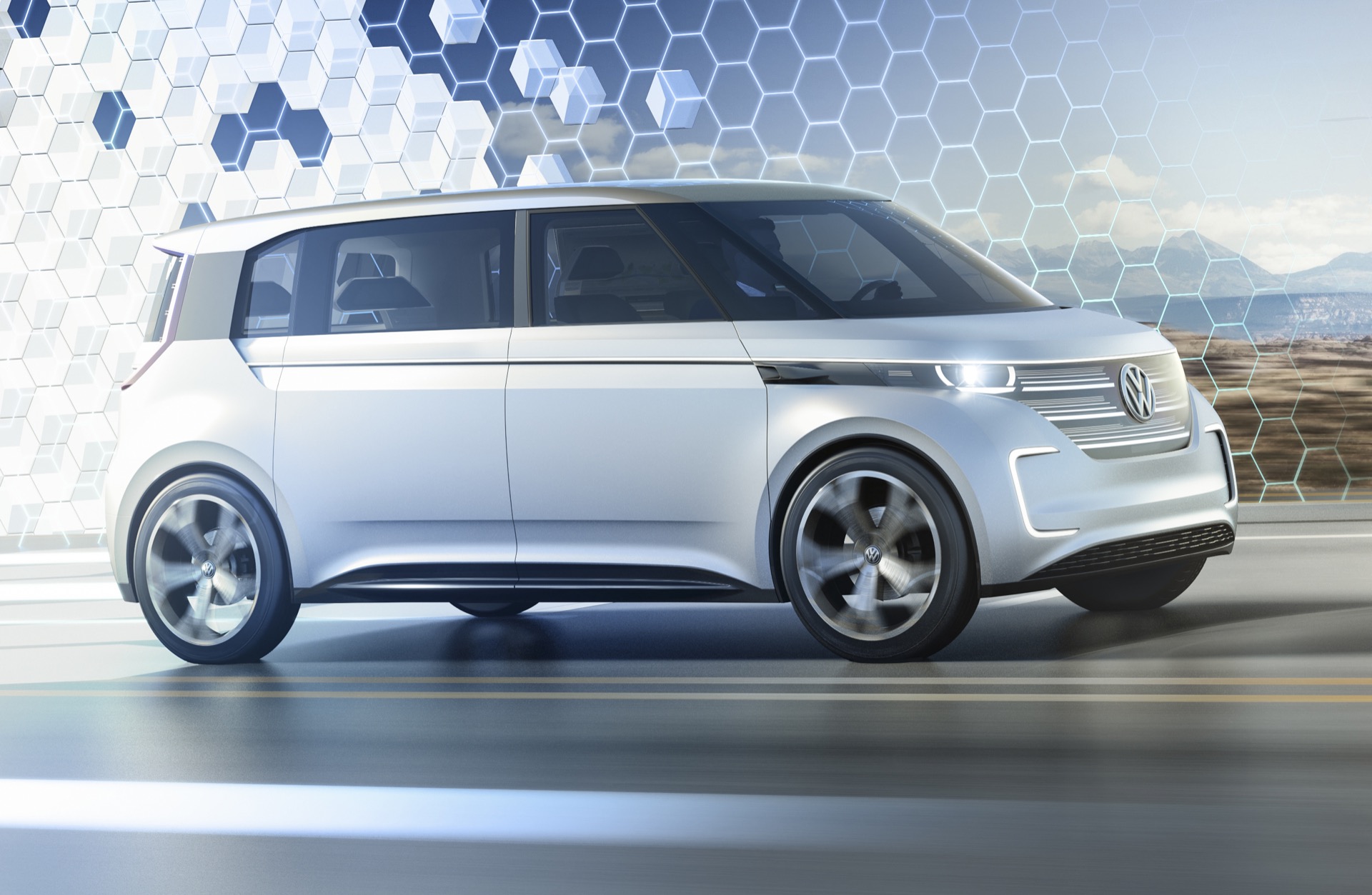
Are you considering a used car purchase in the next year and wondering if a Volkswagen diesel is a smart choice? Despite past controversies, VW diesel cars continue to offer compelling advantages, especially for those prioritizing fuel economy and longevity. This article examines whether buying a VW diesel in 2025 remains a viable option, weighing the pros and cons to help you make an informed decision.
All About VW Diesel Cars Still Worth Buying in 2025
The question of whether VW diesel cars are still worth buying in 2025 is a complex one, hinging on individual needs and priorities. VW diesel vehicles, particularly those producedafterthe emissions scandal, are known for their exceptional fuel economy and robust engine design. They represent a unique proposition in a market increasingly dominated by electric vehicles and hybrids. These cars often offer a lower initial purchase price than their hybrid counterparts, making them attractive to budget-conscious buyers. The enduring appeal of a VW diesel lies in its ability to deliver impressive mileage, often exceeding 40 mpg on the highway, combined with the torquey performance characteristic of diesel engines. This provides a satisfying driving experience, especially on long journeys or when carrying heavy loads.
The history of VW diesel cars is intertwined with both innovation and controversy. Volkswagen pioneered diesel technology in passenger cars, introducing efficient and durable engines that gained popularity worldwide. The TDI (Turbocharged Direct Injection)engine became synonymous with fuel efficiency and longevity. However, the "Dieselgate" scandal, revealed in 2015, severely impacted the brand's reputation. Volkswagen admitted to using defeat devices to cheat on emissions tests, leading to recalls and fines. Despite this setback, VW has since worked to improve its diesel technology, and post-scandal models generally adhere to stricter emissions standards. It's crucial to research the specific model year and engine type when considering a used VW diesel. Post-2015 models typically feature updated emission control systems, although independent verification of their long-term performance is recommended.
What sets VW diesel cars apart is their unique blend of fuel efficiency, performance, and relatively affordable price point on the used market. While hybrids offer similar fuel economy, they often come with a higher initial cost and can have complex hybrid systems that may require expensive repairs down the line. Electric vehicles, while offering zero emissions, still face limitations in range and charging infrastructure, and their battery life is a significant consideration. VW diesels offer acompromise, providing excellent fuel efficiency and reliable performance in a readily available and relatively inexpensive package.
Expert opinions on the value of VW diesel cars in 2025 are mixed. Some emphasize the continued benefits of their fuel economy and durability, particularly for drivers who log a lot of miles. Others caution about potential maintenance costs, especially for older models, and the environmental concerns associated with diesel emissions. However, many mechanics and car enthusiasts point to the inherent robustness of the TDI engine, suggesting that with proper maintenance, these cars can provide reliable service for many years to come. One frequently cited benefit is the readily available aftermarket support and expertise for VW diesel engines, making maintenance and repairs relatively straightforward.
Benefits of VW Diesel Cars Still Worth Buying in 2025 for Users
VW diesel cars offer a distinctive driving experience that enhances user satisfaction in several ways. The most significant benefit is the exceptional fuel economy. A well-maintained VW TDI engine can consistently achieve mileage figures comparable to many modern hybrids, saving drivers substantial money on fuel costs, especially with fluctuating gas prices. The torquey nature of diesel engines also provides a more responsive and engaging driving experience, particularly when accelerating from a standstill or climbing hills. This characteristic makes VW diesels well-suited for long-distance driving and carrying heavy loads.
Real-life examples abound of drivers racking up hundreds of thousands of miles on their VW diesel cars with minimal issues. Many owners report regularly exceeding 300,000 miles on original engines and transmissions, a testament to the durability of the TDI design. This longevity translates to a lower total cost of ownership over the long term, even considering potential maintenance expenses.
When comparing VW diesel cars with alternative technologies, the trade-offs become clearer. Electric vehicles offer zero tailpipe emissions but require access to charging infrastructure and have a limited range compared to diesel cars. Hybrids provide good fuel economy but can be more expensive to purchase and maintain. Gasoline-powered cars often lack the fuel efficiency of diesels, resulting in higher fuel costs. VW diesels strike a balance between these options, offering excellent fuel economy, decent range, and a lower initial cost than many hybrids or electric vehicles on the used market.
Data from independent testing agencies and owner surveys supports the claim that VW diesel cars offer superior fuel economy compared to many gasoline-powered vehicles. While emissions remain a concern, advancements in diesel technology have significantly reduced harmful pollutants in post-scandal models. It is important to consider theenvironmental impactand compare emissions ratings of different models before making a purchase. The resale value of VW diesels can also be a factor to consider, as their reputation has been somewhat tarnished by the emissions scandal. However, strong demand for fuel-efficient vehicles could sustain their value in the long run.
How to Use VW Diesel Cars Still Worth Buying in 2025
1. Research Specific Models and Years
Before diving into the specifics of owning a VW diesel, you will need to research which car you are looking to buy. Not all engines are the same. Some offer better fuel economy or performance characteristics than others. Similarly, the years produced may have slightly different parts, features, or reliability ratings. Researching specifics will help ensure you choose a car that is suitable for your needs.
Best practices include consulting online forums dedicated to VW diesel owners, reading reviews from reputable automotive publications, and checking the vehicle's history report (e.g., Carfax) for any reported maintenance issues or accidents. Pay particular attention to the engine code and model year, as these factors can influence the vehicle's performance and reliability.
2. Perform a Thorough Inspection
A proper inspection is key to a successful purchase. When inspecting a used VW diesel, pay close attention to the engine's condition. Look for any signs of leaks, unusual noises, or excessive smoke from the exhaust. Check the oil level and condition, and inspect the coolant for any signs of contamination. It's also crucial to examine the diesel particulate filter (DPF) and diesel exhaust fluid (DEF) system, as these components are essential for emissions control.
Common mistakes to avoid include neglecting to check the undercarriage for rust or damage, overlooking the condition of the tires and brakes, and failing to test all the vehicle's features and systems. A pre-purchase inspection by a qualified mechanic specializing in diesel engines is highly recommended. This inspection can identify potential problems that may not be immediately apparent, saving you from costly repairs down the road.
3. Regular Maintenance and Servicing
To help with the longevity of your car, regular maintenance is crucial. Routine maintenance tasks include oil changes, filter replacements (air, fuel, and oil), and fluid checks. Consult the vehicle's owner's manual for recommended maintenance intervals. Pay close attention to the DPF and DEF systems, as these require periodic maintenance to ensure proper functioning.
Ensure you are using the correct oil, fuel, and DEF, as these components are specifically formulated for diesel engines. Avoid using aftermarket additives unless recommended by a trusted mechanic. Proper maintenance is essential for preserving the vehicle's fuel efficiency, performance, and reliability.
Tips Before Using VW Diesel Cars Still Worth Buying in 2025
Before using a VW diesel car, it's crucial to prepare adequately to avoid potential issues and maximize its lifespan. Start by familiarizing yourself with the vehicle's operating characteristics and maintenance requirements. Consult the owner's manual and seek advice from experienced VW diesel owners or mechanics.
One critical preparation guideline is to ensure that you are using the correct type of fuel.Diesel fuel quality can vary, and using low-quality fuel can damage the engine and emissions control system. Purchase fuel from reputable stations and avoid using fuel that has been sitting for an extended period. Also, be mindful of cold weather starting procedures, as diesel engines can be more difficult to start in cold temperatures.
Ignoring these tips can lead to a variety of problems, including reduced fuel efficiency, increased emissions, and costly repairs. Using the wrong type of fuel can damage the fuel injectors and cause engine knocking. Neglecting regular maintenance can lead to premature wear and tear on critical components, such as the turbocharger and DPF. Failure to address cold weather starting issues can result in a dead battery and the need for a jump start.
Common Issues and Solutions Related to VW Diesel Cars Still Worth Buying in 2025
Potential problems with VW diesel cars include issues with the DPF, DEF system, and fuel injectors. The DPF can become clogged over time, reducing engine performance and increasing emissions. This can be resolved by performing a forced regeneration or replacing the DPF. The DEF system can also experience problems, such as clogged injectors or a faulty sensor. These issues can be addressed by cleaning the injectors or replacing the sensor.
Practical solutions for these problems include using high-quality fuel and DEF, performing regular maintenance, and seeking professional assistance when needed. Avoid using aftermarket additives unless recommended by a trusted mechanic. Keep an eye on the vehicle's warning lights and address any issues promptly. Regularly monitor the DPF's regeneration status and perform a forced regeneration if necessary.
Conclusion
In conclusion, deciding whether VW diesel cars are still worth buying in 2025 requires careful consideration. They offer excellent fuel economy, robust performance, and can be purchased at a relatively attractive price on the used market. However, it's crucial to thoroughly research specific models and years, perform a comprehensive inspection, and adhere to a regular maintenance schedule. Potential issues with the DPF, DEF system, and fuel injectors need to be addressed promptly to ensure optimal performance and longevity.
Final recommendations include consulting with experienced VW diesel owners or mechanics, seeking professional assistance when needed, and using high-quality fuel and DEF. By following these guidelines, you can maximize the benefits of owning a VW diesel car and enjoy its fuel efficiency and performance for many years to come. Readers are encouraged to research and consider VW diesel options for a car purchase in 2025 as a viable alternative to gasoline, hybrid, and electric powered vehicles.
Posting Komentar untuk "VW Diesel Cars Still Worth Buying in 2025"