Good Diesel Cars for Commuting and Highway Travel
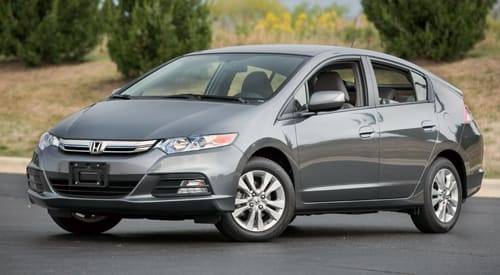
Are you tired of constantly filling up your gas tank during your daily commute or long highway trips? Many drivers are searching for a fuel-efficient and reliable vehicle that can handle both city streets and open roads. Discover the best diesel cars for commuting and highway travel, offering a blend of fuel economy, performance, and comfort that will transform your driving experience. This guide will highlight top diesel models, their benefits, and tips for choosing the right one to suit your needs, ensuring a smooth and economical journey.
All About Good Diesel Cars for Commuting and Highway Travel
A "good diesel car for commuting and highway travel" essentially boils down to a vehicle powered by a diesel engine that offers a compelling combination offuel efficiency, reliability, comfort, andperformancesuitable for both daily urban commutes and extended highway drives. The significance of such a vehicle lies in its ability to reduce fuel costs, minimize environmental impact (relative to older diesel technology, thanks to modern emissions controls), and provide a comfortable and enjoyable driving experience, especially on long journeys. Modern diesel engines often deliver excellent torque, making them feel responsive and powerful, even when fully loaded.
Historically, diesel engines were primarily associated with trucks and heavy machinery. They were known for their durability and fuel economy but also for their noise and emissions. However, over the decades, diesel technology has undergone significant advancements. Direct injection, turbocharging, and sophisticated emissions control systems (like diesel particulate filters and selective catalytic reduction) have transformed diesel engines into cleaner, quieter, and more refined powerplants. Key developments include the introduction of common rail direct injection (CRDI), which improved fuel atomization and combustion efficiency, and the widespread adoption of turbocharging, which boosted power output and torque. The evolution of emissions standards has also driven significant innovation in diesel engine design.
What differentiates a good diesel car from other alternatives is its unique balance of characteristics. Compared to gasoline cars, diesel cars typically offer significantly betterfuel economy, particularly on highway drives, and highertorqueat lower engine speeds. This makes them ideal for cruising and overtaking. Compared to hybrid or electric vehicles, diesel cars have a longer range and don't require charging infrastructure, making them more convenient for long-distance travel. Although electric car technology is constantly evolving, diesel vehicles are still a relevant alternative, especially for those who drive long distances frequently.
Experts and car enthusiasts often praise diesel cars for theirlongevity and reliability. The robust construction of diesel engines, designed to withstand higher compression ratios, often translates to a longer lifespan compared to gasoline engines. Many owners report diesel cars reaching high mileage (200,000+ miles) with relatively few major repairs. Another commonly cited benefit is theirresale value. Due to their durability and fuel efficiency, diesel cars often hold their value well over time.
Benefits of Good Diesel Cars for Commuting and Highway Travel for Users
The benefits of driving a good diesel car for commuting and highway travel are numerous and can significantly enhance the user experience. Fuel efficiency is often the most cited advantage, allowing drivers to travel longer distances between fill-ups and save money on fuel costs. This is especially beneficial for commuters who drive long distances daily and those who frequently embark on road trips.
For instance, consider a commuter who drives 50 miles each way to work. Switching from a gasoline car averaging 25 mpg to a diesel car averaging 40 mpg could save them hundreds of dollars per year in fuel costs. On a long road trip, the increased range offered by a diesel car can reduce the number of stops required, making the journey more convenient and less stressful.
Compared to gasoline-powered cars, diesel cars often provide a more relaxed and effortless driving experience, thanks to their higher torque output at low engine speeds. This translates to quicker acceleration and easier overtaking, especially when the car is loaded with passengers or cargo. While electric cars offer instant torque, their range can be a limiting factor for some drivers. Diesel vehicles provide a balanced approach combining torque and a longer range.
Research findings consistently demonstrate the superior fuel economy of diesel engines compared to gasoline engines. The U.S. Energy Information Administration (EIA) publishes data showing the average fuel efficiency of different vehicle types, which often highlights the advantage of diesel cars. Furthermore, studies have shown that modern diesel engines, equipped with advanced emissions control systems, can significantly reduce harmful emissions compared to older diesel technology. However, it's essential to maintain these systems properly to ensure their effectiveness.
How to Use Good Diesel Cars for Commuting and Highway Travel
1. Choosing the Right Car
The first step is to carefully select a diesel car that meets your specific needs and preferences. Consider factors such assize, fuel economy, features, andbudget. Research different models, read reviews, and compare specifications to narrow down your options.
Best practices: Prioritize models with a proven track record of reliability and good fuel economy. Look for cars equipped with modern safety features and advanced emissions control systems. Check the car's service history and ensure it has been properly maintained.
2. Understanding Diesel Fuel and Additives
Diesel fuel differs from gasoline and requires specific considerations.Use high-quality diesel fuelfrom reputable stations to ensure optimal engine performance and longevity. In colder climates,use winter-grade diesel fuelor add fuel additives to prevent fuel gelling.
Common mistakes to avoid: Never use gasoline in a diesel engine, as this can cause serious damage. Avoid using low-quality diesel fuel or fuel additives that are not recommended by the vehicle manufacturer.
3. Maintaining the Car Properly
Regular maintenance is crucial for ensuring the longevity and reliability of a diesel car. Follow the manufacturer's recommended maintenance schedule, includingoil changes, filter replacements, andemissions system checks. Pay particular attention to thediesel particulate filter (DPF), which requires periodic regeneration.
Continue outlining further steps in a structured manner. Ensure each step is easy to follow.
4. Driving Techniques for Optimal Fuel Economy
Adjusting driving habits can significantly improve fuel economy.Avoid aggressive acceleration and braking, maintain asteady speedon the highway, andanticipate trafficto minimize unnecessary stops and starts. Utilize cruise control on long highway drives to maintain a consistent speed.
5. Monitoring Fuel Consumption and Performance
Keep track of your car's fuel consumption to identify any potential issues. Use the car's trip computer or a fuel tracking app to monitor your MPG. Pay attention to any changes in engine performance, such as decreased power or increased smoke, which could indicate a problem.
Tips Before Using Good Diesel Cars for Commuting and Highway Travel
Before hitting the road in a diesel car, it's essential to prepare properly. Ensure you are familiar with the car's features and controls, including the location of the fuel filler and the operation of any special systems, such as the DPF regeneration. Check the tire pressure and fluid levels to ensure they are within the recommended ranges.
Avoid using diesel fuel that has been stored for an extended period, as it can degrade over time and cause problems. Be aware of the potential for fuel gelling in cold weather and take appropriate precautions, such as using winter-grade diesel fuel or fuel additives. Avoid overloading the car, as this can negatively impact fuel economy and performance.
Ignoring these tips can lead to reduced fuel economy, decreased engine performance, and potentially costly repairs. For instance, using contaminated fuel can damage the fuel injection system, while neglecting regular maintenance can shorten the lifespan of the engine and emissions control systems.
Common Issues and Solutions Related to Good Diesel Cars for Commuting and Highway Travel
One common issue with diesel cars is DPF clogging. The DPF captures soot particles from the exhaust, but it requires periodic regeneration to burn off the accumulated soot. Short trips and stop-and-go driving can prevent the DPF from regenerating properly, leading to clogging. The solution is to occasionally take the car on a longer highway drive to allow the DPF to regenerate.
Another potential problem is fuel system issues, such as clogged fuel filters or injector problems. These can be caused by contaminated fuel or lack of maintenance. The solution is to use high-quality fuel, replace fuel filters regularly, and have the fuel injectors professionally cleaned or replaced if necessary.
Cold weather can also pose challenges for diesel cars, as diesel fuel can gel in low temperatures. The solution is to use winter-grade diesel fuel or add a fuel additive to prevent gelling. Parking the car in a garage or using a block heater can also help to keep the fuel warm.
Conclusion
Choosing a good diesel car for commuting and highway travel offers a compelling blend of fuel efficiency, performance, and comfort. By selecting the right car, understanding diesel fuel requirements, maintaining the car properly, and adopting fuel-efficient driving techniques, you can maximize the benefits and enjoy a smooth and economical driving experience.
Ultimately, the decision to purchase a diesel car depends on your individual needs and priorities. However, if you are looking for a fuel-efficient, reliable, and comfortable vehicle for commuting and highway travel, a modern diesel car is definitely worth considering. We encourage you to research different models, compare specifications, and test drive a few cars before making a decision. By taking the time to make an informed choice, you can find a diesel car that perfectly suits your needs and provides years of enjoyable driving.
Posting Komentar untuk "Good Diesel Cars for Commuting and Highway Travel"